
The electricity landscape in Pakistan is undergoing a transformative shift. With growing energy demands and environmental challenges, the country is embracing innovation to build a brighter and more sustainable future. From renewable energy investments to advanced technology, exciting trends are shaping the way Pakistan generates, distributes, and uses power.
Let’s explore what the future holds and how it impacts daily life.
Embracing Renewable Energy Solutions
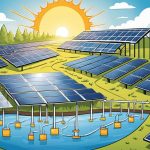
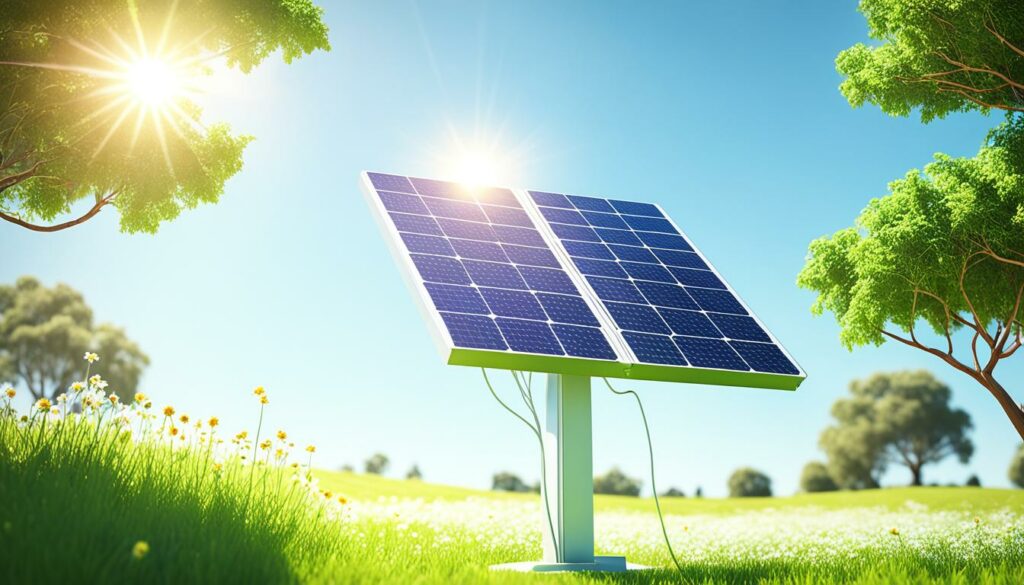
Pakistan is stepping up its efforts to harness clean energy resources like sunlight, wind, and hydropower. These projects aim to reduce reliance on costly and polluting fossil fuels. Key initiatives include:
- Solar power farms in Sindh and Balochistan, capitalizing on abundant sunlight.
- Wind energy projects along the coastline, contributing to sustainable electricity.
By 2030, renewable energy is projected to contribute 30% of Pakistan’s total energy mix, as per reports by IRENA. This shift not only combats climate change but also creates jobs and economic opportunities.
Upgrading the Power Grid
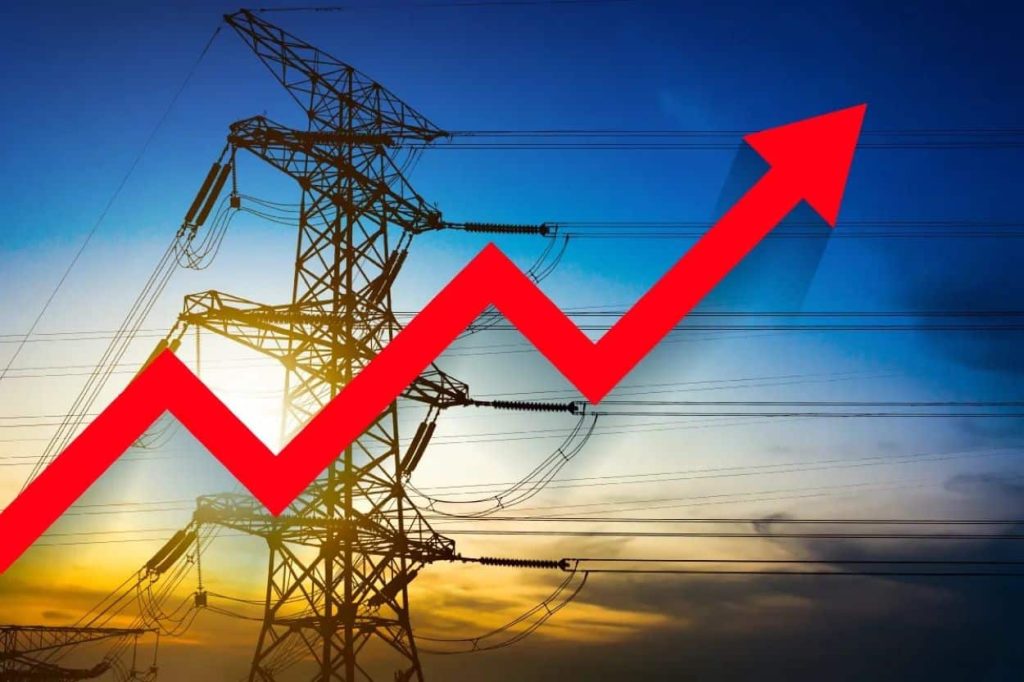
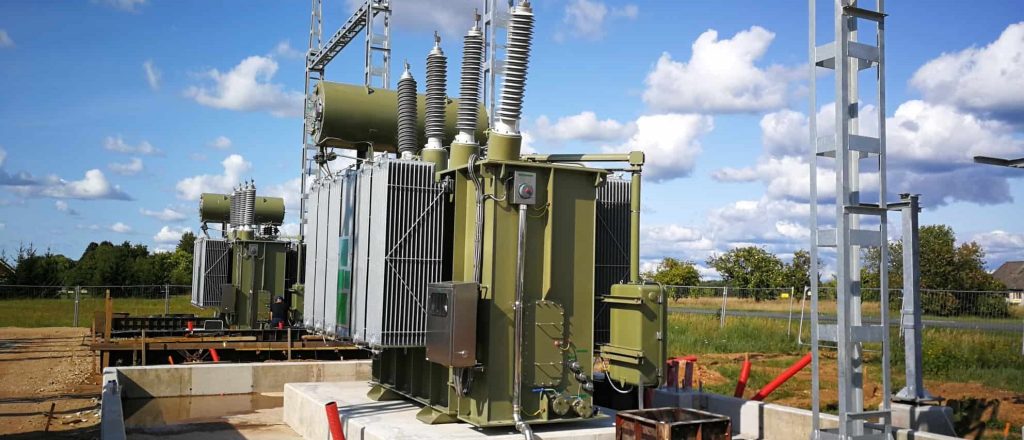
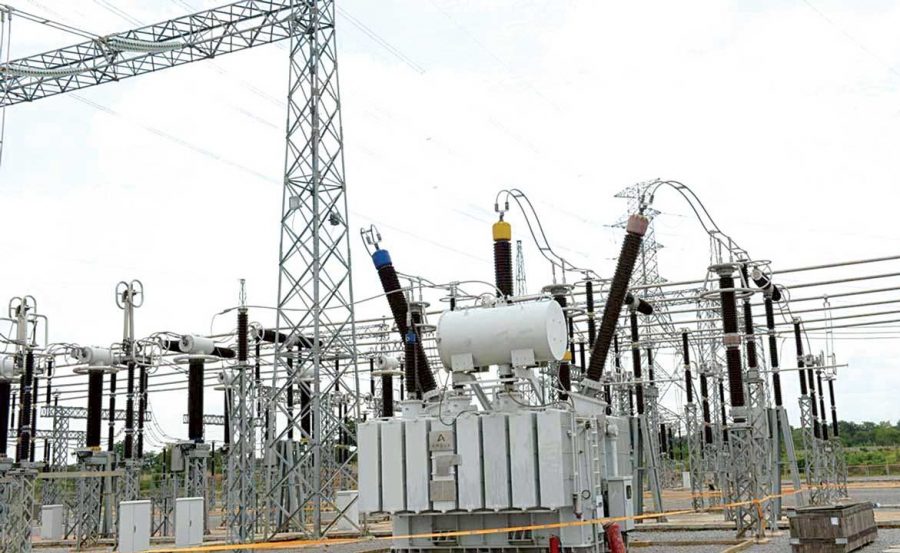
One of the biggest challenges in Pakistan is its aging and inefficient grid infrastructure, leading to frequent power outages. To address this, the government and private sector are investing in:
- Smart grids, which improve electricity flow, prevent outages, and optimize energy use.
- Advanced digital meters for accurate billing and reduced energy theft.
These updates aim to provide a reliable electricity supply to both urban centers and rural communities.
Decentralized Energy Systems for Rural Areas
In many remote areas, central power grids are either unavailable or too costly to maintain. The solution? Decentralized systems like solar-powered mini-grids and off-grid setups. These systems:
- Empower communities to generate their own power.
- Offer cost-effective, sustainable energy alternatives.
International organizations, including the World Bank, are actively funding such projects, bringing light to underserved regions.
The Rise of Private Sector Investment
The private sector is driving innovation in Pakistan’s energy market. Companies are collaborating with the government to:
- Build renewable energy parks that produce clean and affordable electricity.
- Develop energy storage solutions to minimize wastage and store surplus power.
This partnership is fostering a more competitive energy market and ensuring sustainable energy solutions for all.
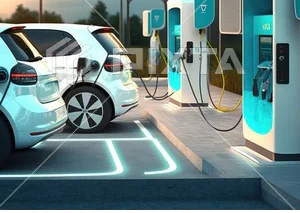
Growth of Electric Vehicles (EVs)
The electric vehicle revolution is gaining traction in Pakistan. With the government offering tax breaks on EV purchases, more people are opting for eco-friendly cars and bikes. This shift has led to:
- Reduced fuel dependency, lowering costs for consumers.
- Cleaner air in cities, especially in pollution-heavy areas like Lahore and Karachi.
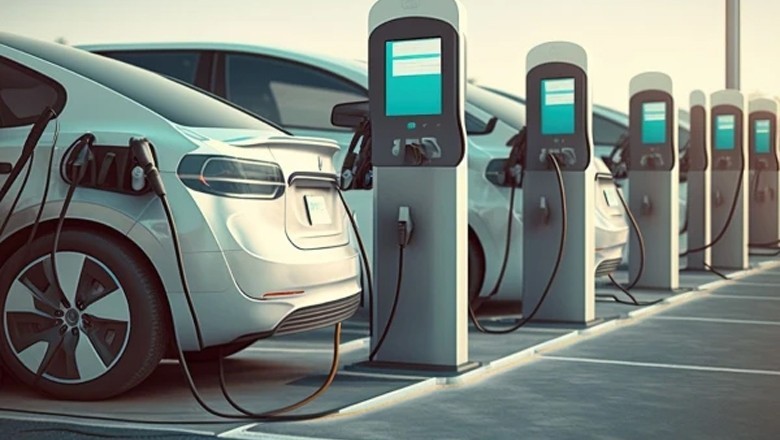
New charging stations are being installed across the country, making EV adoption more convenient.
Public Awareness About Energy Conservation
Efforts to educate people about the importance of energy conservation are gaining momentum. Campaigns encourage households and businesses to:
- Replace traditional bulbs with energy-efficient LED lights.
- Turn off unused appliances to save electricity.
These small actions can collectively make a big difference, reducing the national energy burden and lowering bills for families.
Why This Matters
The transformation of electricity supply in Pakistan is about more than just technology. It touches lives in profound ways:
- Education: Students can study without worrying about power cuts.
- Healthcare: Hospitals can operate life-saving equipment without interruptions.
- Economic growth: Reliable power fuels industries, boosting job creation and innovation.
By addressing these needs, Pakistan is building a future where electricity is no longer a luxury but a right.
What Can You Do?
Every individual can play a part in shaping this future. Here’s how:
- Install solar panels at home to reduce your dependency on the grid.
- Use energy-saving appliances like inverters and LED bulbs.
- Support policies that promote sustainable energy solutions.
Your actions, no matter how small, can contribute to a cleaner and more reliable energy system.
Conclusion: Key Takeaways
The future of electricity in Pakistan is full of promise and potential. With a growing focus on renewable energy, modernized grids, and innovative technology, the country is taking bold steps toward energy independence.
However, the journey isn’t without challenges. Success depends on collaboration between the government, private investors, and citizens. By embracing these trends and making conscious energy choices, Pakistan can achieve a brighter, more sustainable tomorrow.