

Electricity bills feel like a burden, especially when we use more heating or cooling. But there’s hope: by making a few adjustments, electricity bills can be reduced significantly! Here are ten energy saving tips to lower bill, easy-to-apply tips that will help you save energy and lower your costs. These will also make your home more energy-efficient. Let’s jump in!
1. Switch to Energy-Efficient Light Bulbs
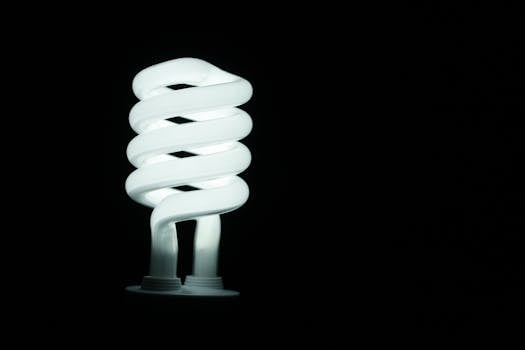
Switching to LED or CFL bulbs is one of the easiest ways. These bulbs use up to 75% less electricity than traditional bulbs. These also last much longer, saving you money on replacements. They might cost a bit more upfront, but the savings on your electricity bill make them worth it.
Quick Tip: Look for bulbs with the Energy Star label to make sure they’re certified for efficiency.
2. Unplug Electronics When Not in Use
Many electronics continue to draw power when they’re plugged in, even if they’re off. This is called phantom energy. These can account for up to 10% of your bill. Unplugging devices like chargers, TVs, and computers when you’re not using them is a simple way.
Pro Tip: Plug multiple devices into a power strip so you can easily switch everything off at once.

3. Adjust The Thermostat
Heating and cooling can be a major source of energy use. Adjusting the thermostat by a few degrees can lead to noticeable savings:
- In summer, keep it around 78°F (26°C).
- In winter, aim for 68°F (20°C).
Lowering or raising your thermostat just a few degrees when you’re out of the house can also make a big difference.
Bonus: Consider a programmable thermostat to automate adjustments and avoid energy waste.
4. Seal Drafts and Insulate
If you feel drafts around doors and windows, your heating or cooling system has to work harder. Use weather stripping or caulk to seal leaks. Also consider adding insulation to your attic or walls.
Easy Fix: Check windows, doors, and even electrical outlets for drafts, and seal any gaps you find.
5. Use Ceiling Fans Properly
Ceiling fans are excellent for circulating air and making rooms feel comfortable. In summer, set the fan to spin counterclockwise to create a cool breeze. In winter, switch it to clockwise on a low setting to push warm air down.
Tip: Remember, ceiling fans cool people, not rooms. Turn them off when you’re not in the room.
6. Let in Natural Light
Make the most use of natural light during the day. Open your curtains and blinds to let sunlight brighten your home. Especially in rooms you use most often during the day. This also helps keep rooms warmer in winter.
Easy Idea: Arrange furniture to maximize sunlight, and use light-colored curtains that let more light in.
7. Wash Clothes in Cold Water
Your washing machine uses a lot of energy to heat water. By choosing cold water for your laundry, you can significantly cut down on energy usage. Cold water is effective for most clothes and can even help them last longer.
Bonus: Run full loads to get the most efficiency out of each wash cycle.
8. Upgrade to Energy-Efficient Appliances
If your appliances are old, they may be guzzling electricity. Replace old with Energy Star-rated appliances. These use up to 50% less energy than older models. While these might cost more initially, the long-term savings make them a wise investment.
Best Upgrades: Refrigerators, washing machines, and air conditioners tend to use the most energy, so upgrading these can make a big impact.
9. Lower Your Water Heater Temperature
Heating water can account for a significant portion of your electricity bill. Lowering your water heater’s temperature to 120°F can save energy. This temperature is hot enough for showers, dishwashing, and other daily needs.
Tip: If your water heater is in a cold area, consider adding a water heater blanket for extra insulation.
10. Use Smaller Appliances for Small Tasks
Instead of heating your oven, try microwaves, toaster ovens, or slow cookers for smaller meals. These appliances use much less electricity and can cook faster. It’s a small change, but it can add up to noticeable savings.
Quick Tip: Avoid opening the oven door frequently, as it lets heat escape, making it work harder.
Final Thoughts
Saving on your electricity bill doesn’t require drastic changes. Simple habits like turning off lights, unplugging devices, and using energy-efficient appliances can have a big impact. Not only will you save money, but you’ll also contribute to a greener environment. Start with a few of these tips and enjoy seeing your savings add up!
FAQs
1. How much can I save with energy-efficient light bulbs?
- Energy-efficient bulbs like LEDs use up to 75% less electricity, so you’ll see a noticeable difference in lighting costs.
2. Does unplugging devices make a difference?
- Yes! Phantom energy from unused devices can add up to 10% of your bill. Unplugging devices or using a power strip can help reduce this.
3. What’s an easy way to cut heating and cooling costs?
- Adjusting your thermostat, sealing drafts, and using ceiling fans can all help reduce your heating and cooling expenses.
4. How does washing in cold water save energy?
- Most of the energy used by your washing machine goes to heating water. Cold water cuts this energy use significantly.
5. Are energy-efficient appliances worth the cost?
- Absolutely! Although they may be more expensive upfront, they use significantly less energy, which can lead to lower bills over time.
Make these small changes today and see how much you can save on your next bill. Every little bit helps!