
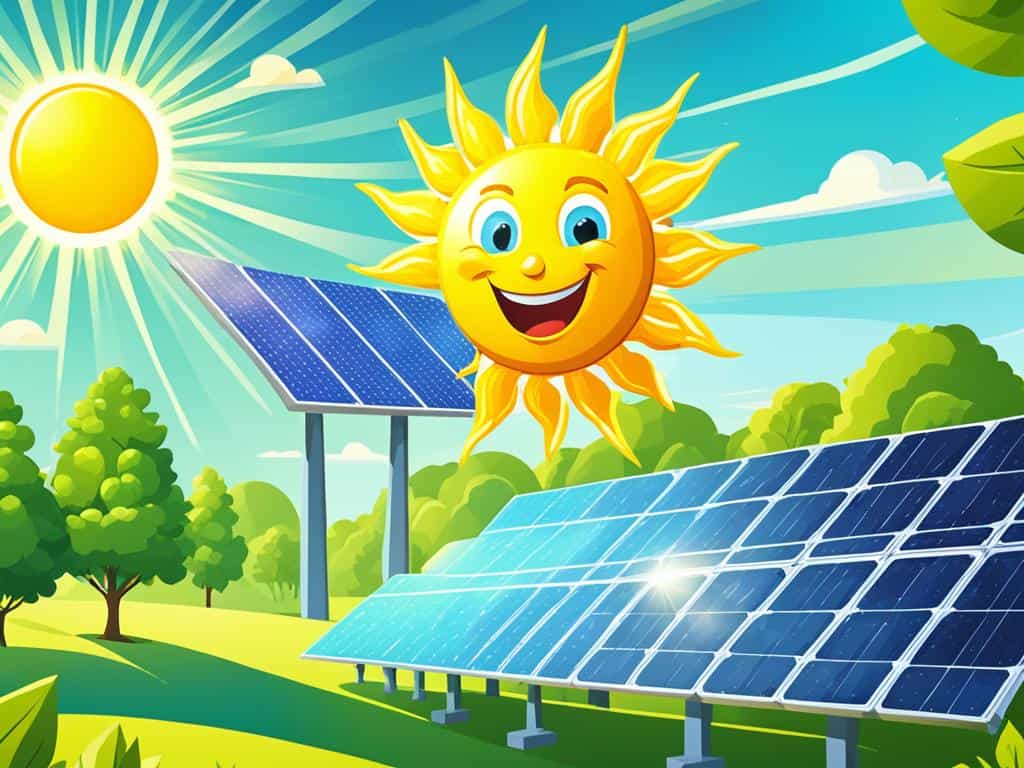
Solar energy is a revolutionary power source changing how we think about energy consumption and sustainability. From its early discovery to its modern applications, solar energy has proven to be a game-changer. Pakistan, with its abundant sunlight, is making significant strides in utilizing this renewable resource. In this article, we’ll explore the fascinating history, of solar energy basics understanding its benefits in Pakistan, and the potential of solar energy.
Introduction: The Evolution of Solar Energy
The concept of solar energy dates back to ancient civilizations. The Greeks and Romans used passive solar designs, like strategically positioned windows, to harness the sun’s heat. However, the true breakthrough came in 1839 when French physicist Alexandre Edmond Becquerel discovered the photovoltaic effect, the principle behind solar panels.
Fast forward to the 20th century, Bell Labs developed the first modern solar cell in 1954, which could convert sunlight into electricity. Over the decades, advancements in technology have made solar energy more efficient and affordable, revolutionizing the energy industry.
In Pakistan, solar energy gained traction in the 21st century as the country faced mounting energy crises and environmental challenges. The government initiated programs to promote solar power, such as the Alternative Energy Development Board (AEDB) and net metering policies. Today, solar panels are a common sight in urban and rural areas, lighting up homes and businesses and reducing reliance on conventional power sources.
What Is Solar Energy?
A Simple Explanation
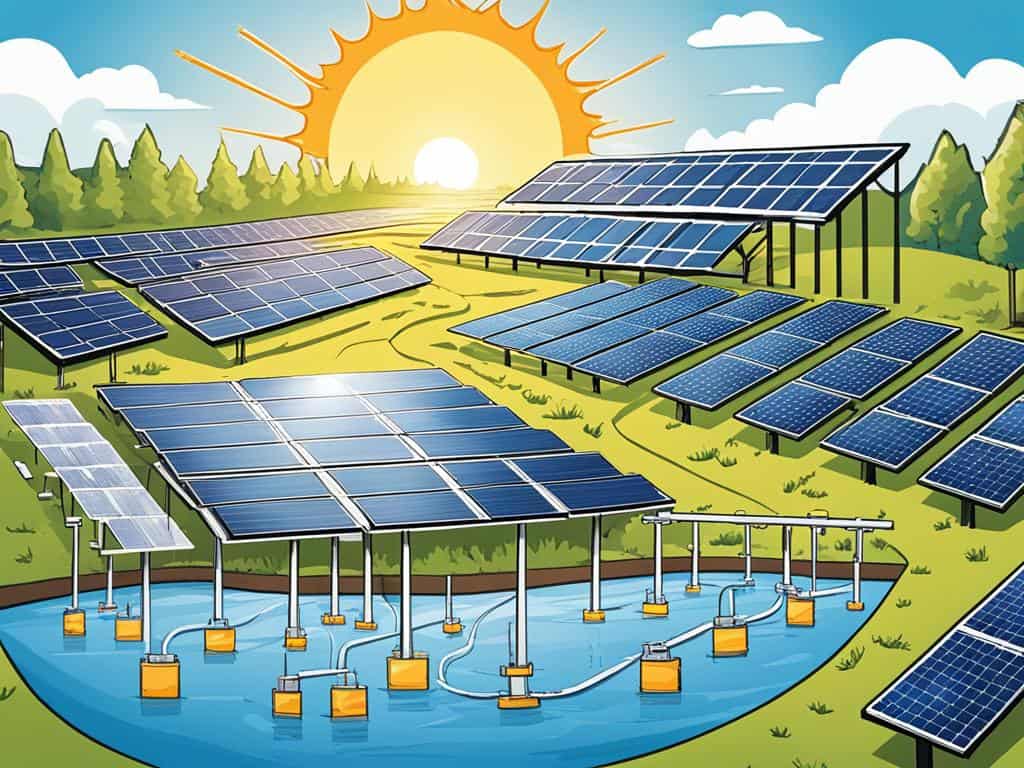
Solar energy is the power derived from the sun’s rays. It’s a clean, renewable, and inexhaustible energy source. Solar panels capture sunlight and convert it into electricity or heat, making it an environmentally friendly alternative to fossil fuels.
How Solar Energy Works
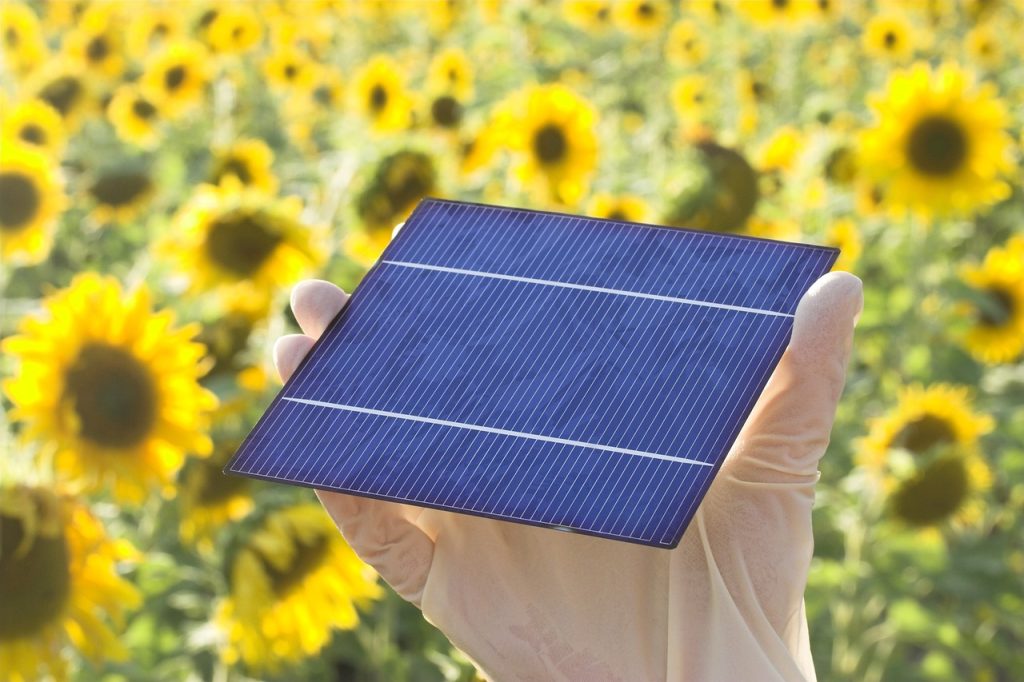
Solar panels consist of photovoltaic (PV) cells, which are made of semiconductor materials like silicon. When sunlight strikes these cells, it excites electrons, creating an electric current. This current is then converted into usable electricity for homes, businesses, and even large power grids.
Types of Solar Energy Systems
Photovoltaic (PV) Systems
These systems directly convert sunlight into electricity. They’re the most commonly used and are ideal for residential and commercial setups.
Solar Thermal Systems
Solar thermal systems harness sunlight to produce heat, which can be used for water heating or generating electricity through steam turbines.
Hybrid Solar Systems
Combining PV and solar thermal technologies, hybrid systems maximize energy efficiency and provide backup power during cloudy days or nighttime.
Related Posts – A Must Read
How to Set Up a Home Solar System in Pakistan: A Practical Step-by-Step Guide
Advantages of Solar Energy
Environmental Benefits
Solar energy produces no greenhouse gases or pollutants, making it a cleaner alternative to fossil fuels. Adopting solar power helps combat climate change and reduces air pollution.
Cost Savings Over Time
While the upfront cost of installing solar panels can be high, the long-term savings on electricity bills make it a cost-effective investment.
Energy Independence
With solar power, households and businesses can reduce or eliminate their reliance on utility companies, ensuring energy security even during power outages.
Solar Energy in Pakistan
Growing Popularity of Solar Power
Pakistan receives ample sunlight throughout the year, making it an ideal location for solar energy projects. In recent years, the adoption of solar panels has surged due to rising electricity costs and frequent power shortages.
Benefits in Rural Areas
In remote regions with limited access to the national grid, solar power is a lifeline. Solar systems provide reliable electricity for lighting, irrigation, and powering small appliances, improving the quality of life for rural communities.
Government Initiatives
Pakistan has introduced several policies to encourage solar energy use. The AEDB promotes renewable energy projects, while net metering policies allow users to sell excess electricity back to the grid. Subsidies and tax incentives further reduce the financial burden of going solar.
Installation and Maintenance
Choosing the Right Solar Panels
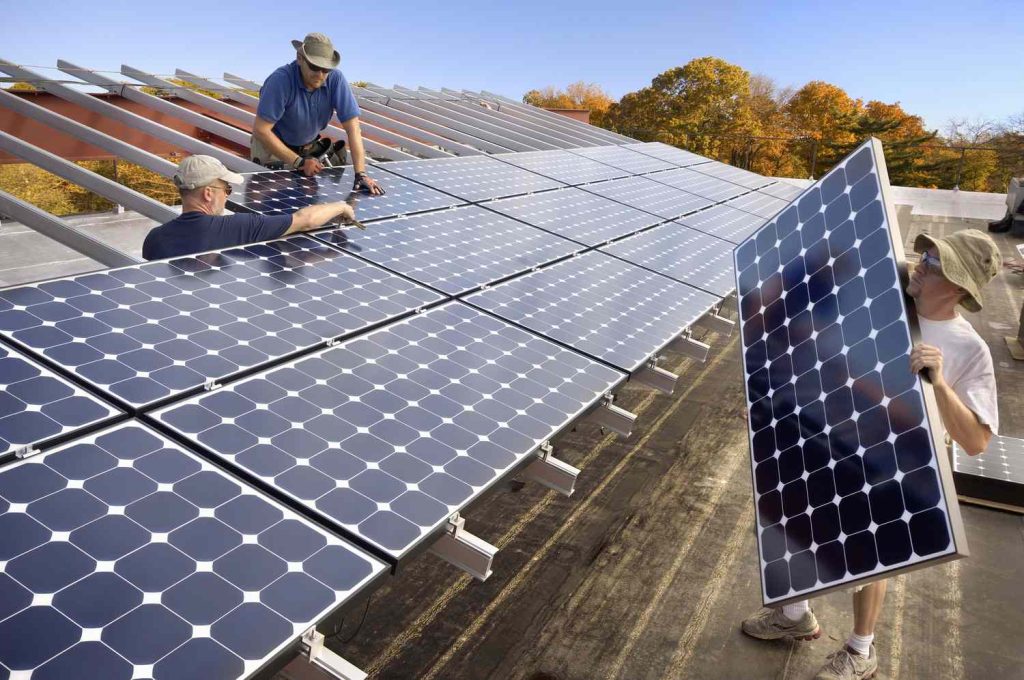
When selecting solar panels, consider factors like efficiency, durability, and warranty. High-quality panels may have a higher upfront cost but offer better performance and longevity.
Tips for Maintenance
Regular cleaning of panels ensures they operate at peak efficiency. Periodic inspections can help identify and fix issues before they escalate.
Finding Reliable Installers
Choose certified and experienced installers to ensure the system is safe and efficient. Proper installation also minimizes maintenance needs in the future.
Cost Considerations
Initial Investment
The upfront cost of solar panels, inverters, and installation can be significant. However, government incentives and declining panel prices are making solar energy more accessible.
Long-term Financial Benefits
Over time, solar systems can drastically reduce electricity bills, offsetting the initial investment and providing significant savings.
Government Incentives and Subsidies
Programs like net metering and subsidies make solar energy more affordable for homeowners and businesses.
Challenges of Solar Energy
Weather Dependency
Solar energy production depends on sunlight. Cloudy or rainy days can reduce efficiency, but hybrid systems can mitigate this issue.
High Initial Costs
Despite declining prices, the initial cost of solar installations can still be a barrier for many households.
Space Requirements
Installing solar panels requires ample space, which can be challenging in densely populated urban areas.
Future of Solar Energy
Advances in Solar Technology
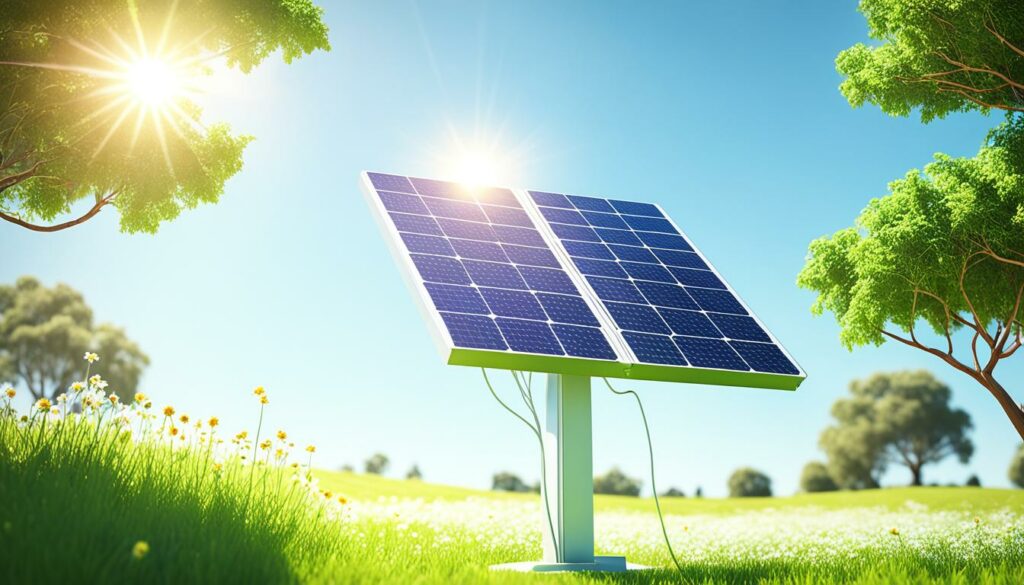
Innovations like transparent solar panels and more efficient PV cells are making solar energy even more versatile and cost-effective.
Expansion in Developing Countries
Countries like Pakistan are leveraging solar energy to address energy shortages and reduce reliance on fossil fuels.
Impact on Global Energy Trends
Solar energy is expected to play a pivotal role in the global transition to renewable energy, reducing greenhouse gas emissions and fostering sustainable development.
Conclusion
Solar energy is not just an alternative energy source; it’s a necessity for a sustainable future. For Pakistan, solar power offers a solution to its energy challenges while contributing to environmental conservation. By adopting solar energy, we can save money, reduce our carbon footprint, and achieve energy independence.
Key Takeaways:
- Solar energy is a clean, renewable power source with immense potential.
- It offers environmental benefits, cost savings, and energy independence.
- Pakistan is making significant progress in adopting solar power through government initiatives and public interest.