
Knowing how to read your electricity meter is an empowering skill. It can help to control your energy consumption, monitor costs, and even note billing discrepancies. If you’re a MEPCO customer, you may be dealing with different types of electric meters across different cities. Each type requires its own reading method. Understanding these skills can make a real difference in managing your electricity bills. In this guide, we will discuss step-by-step methods on how to read electricity meter accurately.
Why You Should Read Your Electricity Meter
Reading your meter regularly can save you money, keep you well informed. This will also help you avoid unexpected charges. Different meter types display your electricity usage in unique ways, so identifying which one you have is the first step.
Types of Electricity Meters Used by LESCO
1. Analog (Electromechanical) Meters
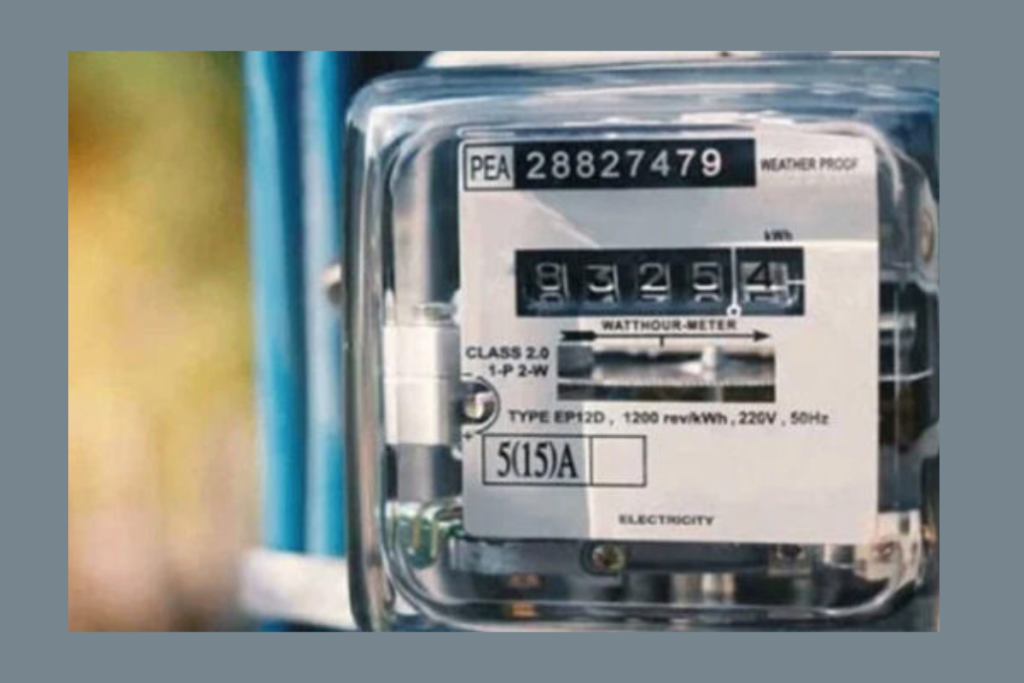
Analog or electromechanical meters are traditional meters with a series of dials. They require manual reading and are commonly found in older neighborhoods.
Key Features:
- Dial-Based: Each dial represents a digit in your kilowatt-hour (kWh) reading.
- Reliable and Long-Lasting: These meters are known for durability and low maintenance.
- Manual Reading Required: LESCO staff typically handle readings, but customers can read them to double-check.
Common Areas for Analog Meters:
- Predominantly installed in older residential areas of Multan, DG Khan , Bahawalpur and some rural regions.
How to Read an Analog Meter:
- Read Left to Right: Record each dial’s number from left to right.
- Account for Mid-Position Needles: If a needle is between two numbers, record the lower one.
- Add Numbers Together: This total represents your kWh usage.
2. Digital Meters
Digital meters display electricity usage as numbers on a digital screen. It makes them more easy to read than analog meters.
Key Features:
- Easy-to-Read Numeric Display: Shows kWh usage in clear, easy-to-read digits.
- High Precision: These meters are calibrated for accuracy and are ideal for home monitoring.
- Durability and Weather Resistance: Built for reliable outdoor use.
Common Areas for Digital Meters:
- Commonly found in urban neighborhoods, including Multan and Bahawalpur, and in areas with significant commercial activity.
How to Read a Digital Meter:
- Read the Screen Display: Simply record the displayed kWh reading, ignoring any leading zeros.
3. Smart Meters
Smart meters are the latest advancement. These are capable of transmitting the energy data directly to MEPCO. These are especially beneficial for people who want real-time insights into their energy consumption.
Key Features:
- Automated Transmission: Sends readings to LESCO, removing the need for manual readings.
- Real-Time Monitoring: Allows users to track their consumption on a digital display or via an app.
- Usage Data: Displays current and historical consumption for detailed insights.
Common Installation Areas for Smart Meters:
- Primarily installed in Urban new housing developments and high-demand zones, such as business districts.
How to Read a Smart Meter:
- Check the Digital Panel: View kWh usage in real-time on the display screen.
- Optional App Access: Some meters offer mobile apps for remote monitoring.
For further details on smart meters, visit Energy.gov’s Smart Meter Guide.
Tips for Accurate Meter Reading
- Read Regularly: Set a day each month to read your meter for consistency.
- Double-Check Analog Dials: With analog meters, double-check each dial for clarity.
- Log Your Readings: Keep a record of monthly readings to track trends and spot unusual changes.
The Benefits of Reading Your MEPCO Meter
1. Save on Your Electricity Bill
By tracking your consumption, you can identify ways to use less energy and cut down on your bills.
2. Avoid Surprises in Your Bill
Regular readings help you anticipate costs and avoid unexpected high bills.
3. Catch Billing Errors Early
If your bill doesn’t align with your reading, you can immediately contact LESCO for help.
Conclusion: Key Points to Remember
Taking control of your MEPCO meter reading helps you understand your energy habits and keep bills in check. Here are the main takeaways:
- Know Your Meter Type: Identify whether your meter is analog, digital, or smart, as each has a different reading method.
- Read Consistently: Monthly readings provide a clear picture of your energy use.
- Track Your Readings: Keeping a log helps you monitor trends and spot discrepancies.
- Gain Confidence in Energy Management: Regular readings empower you to make informed energy decisions.
With these tools, reading your MEPCO meter becomes a manageable task. Start today to understand your usage patterns and maintain control of your electricity bills.
You may be interested to read
Effective Tips To Reduce Electricity Usage In Pakistan
FAQs
Q: How often should I check my MEPCO meter?
A: Checking it monthly is best for tracking regular usage and spotting any billing issues early.
Q: What if my bill doesn’t match my meter reading?
A: Contact MEPCO customer service and provide your recent readings for verification.
Q: Do smart meters provide more accurate readings than analog meters?
A: Yes, smart meters offer real-time, highly accurate readings directly sent to MEPCO.
Q: Is there a cost for using a smart meter?
A: No, billing costs are based on usage, not the type of meter installed.
Q: Where can I learn more about energy savings?
A: Energy.gov offers a wealth of resources on energy efficiency and cost-saving tips.
Getting comfortable with your meter type and reading process lets you stay informed and proactive about your energy use.