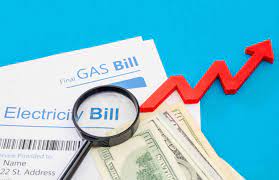

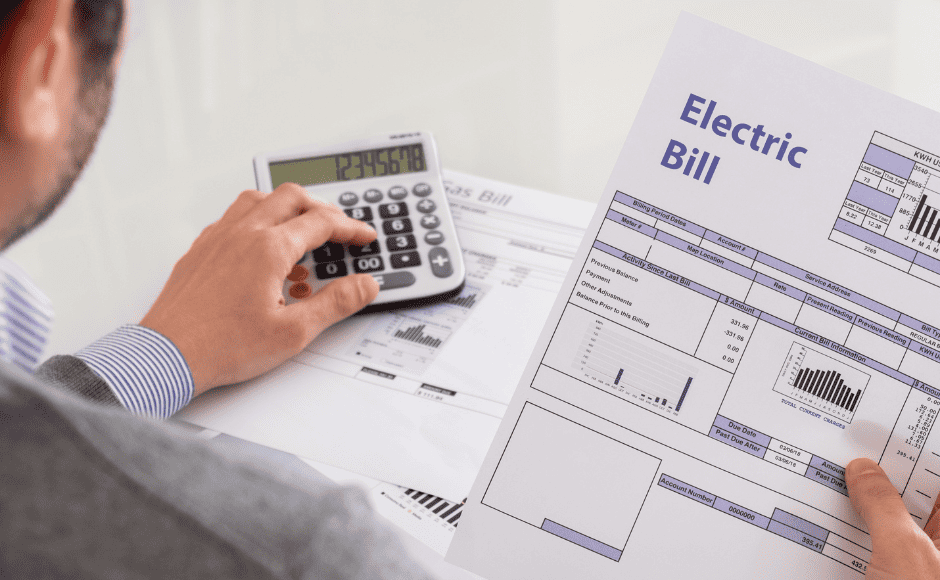
Let’s be honest—reading your electricity bill in Pakistan can feel like decoding a secret message. The numbers, terms, and slabs can leave anyone scratching their head. If you’ve ever stared at your bill wondering, “Why is it so high?”, you’re not alone. Many people struggle to understand the electricity tariff system in Pakistan. But don’t worry, you’ve come to the right place!
In this blog, we’ll break it all down for you—step by step and in the simplest terms. By the end, you’ll not only understand how your bill is calculated but also learn some practical tips to save money.
What is an Electricity Tariff?
An electricity tariff is the price you pay for the electricity you use. It’s not just a single number—it’s made up of several components like energy charges, taxes, and surcharges.
In Pakistan, electricity tariffs are based on a slab system, which means the more electricity you use, the more expensive it becomes. This system is meant to promote energy conservation, but it can feel confusing if you don’t understand it fully.
How Does the Electricity Tariff System Work?
When you use electricity, your consumption is measured in units (also called kilowatt-hours or kWh). Each unit represents one kilowatt of power used for one hour. For example:
- Running a 100-watt light bulb for 10 hours = 1 unit.
- Using a 1,000-watt (1 kW) heater for 1 hour = 1 unit.
Your bill isn’t just based on how many units you use—it’s also affected by the slab you fall into. The more units you consume, the higher the rate per unit.
What Are Slabs?
Slabs are like brackets or levels that divide your electricity usage into chunks. Each slab has its own rate, and as your usage increases, you move into higher, more expensive slabs.
Here’s a breakdown of the typical domestic slabs in Pakistan:
- Up to 50 units: The cheapest rate, subsidized by the government.
- 51–100 units: Slightly higher, but still manageable.
- 101–200 units: Rates start to climb.
- 201–300 units: Charges get steeper.
- 301–700 units: Premium rates apply.
- Above 700 units: The most expensive slab.
Why Is Understanding Slabs So Important?
Here’s the tricky part: crossing into a higher slab can significantly increase your bill. Let’s say you use 101 units instead of 100. That extra unit might bump you into the next slab, where every unit is charged at a higher rate.
It’s not just the new units that cost more—sometimes, the entire bill calculation for that slab is adjusted to the higher rate.
Common Charges in Your Electricity Bill
Your bill isn’t just a simple “units x rate” calculation. It includes several additional charges, like:
1. Fuel Adjustment Charges (FAC)
These charges are based on the fluctuating cost of fuel. If fuel prices go up, so does this charge.
2. Taxes
Expect multiple taxes, including GST (General Sales Tax). These can make up a significant portion of your bill.
3. Fixed Charges
These are flat fees applied regardless of how much electricity you use.
4. Meter Rent
A small fee for the maintenance of your electricity meter.
5. Tariff Differential Surcharge
This is used to cover the gap between the actual cost of electricity and the subsidized rates provided to some consumers.
How I Learned to Control My Electricity Bill
I remember one summer when my family’s electricity bill was shockingly high—more than double the usual amount. We realized our AC was running at full blast, set to 18°C day and night.
We decided to make some changes. Instead of keeping the AC at 18°C, we started using 26°C, and we limited its use to a few hours a day. We also replaced old light bulbs with LED ones. The result? Our next bill was 30% lower! It was such a relief.
Sometimes, small adjustments can lead to big savings.
Tips to Reduce Your Electricity Bill
If you’re tired of high bills, here are some simple yet effective tips:
- Monitor Your Usage
Check your electricity meter regularly. It helps you stay aware of how much energy you’re using. - Turn Off Appliances When Not in Use
This sounds obvious, but it’s easy to forget. Unplug chargers and turn off fans and lights when you leave a room. - Use Energy-Efficient Appliances
Replace old appliances with energy-saving ones. For example, LED bulbs use much less electricity than traditional ones. - Avoid Peak Hours
Electricity is often more expensive during peak hours. Use heavy appliances like washing machines or irons during off-peak times. - Service Your Appliances
A poorly maintained air conditioner or fridge can consume more energy. Regular servicing can save you money in the long run.

Challenges of the Tariff System in Pakistan
Although the slab system is designed to promote fairness, it can feel frustrating for consumers. Here’s why:
- Crossing into a higher slab by just one unit can spike your bill.
- Fuel adjustment charges are unpredictable and can feel unfair.
- Many people don’t understand the additional taxes and surcharges, leaving them feeling helpless.
FAQs
1. Why is my electricity bill so high even with low usage?
Your bill may include additional charges like taxes and fuel adjustments. Check the breakdown on your bill.
2. What happens if I don’t pay my bill on time?
Late payments often lead to a penalty or surcharge. If delayed further, your electricity may be disconnected.
3. Can I apply for a subsidy?
If your usage is under 300 units, subsidies are usually applied automatically.
4. How can I track my electricity usage?
Most utility companies offer apps or websites where you can monitor your usage in real time.
5. How can I calculate my electricity bill?
Multiply the number of units you’ve used by the rate for your slab. Add taxes and surcharges for the final amount.
Key Takeaways
Understanding your electricity bill isn’t just about saving money—it’s about taking control. Here’s what to keep in mind:
- Know your slabs: Monitor your usage to avoid unnecessary charges.
- Be energy-conscious: Small changes, like switching to LED bulbs, can make a big difference.
- Stay informed: Read the breakdown of your bill and keep up with tariff changes.
By making smarter energy choices, you’ll not only lower your bills but also contribute to a more sustainable Pakistan.
Let us know in the comments if you found this helpful or if you have your own tips to share!